Strategies to handle your child’s anxiety during the summer
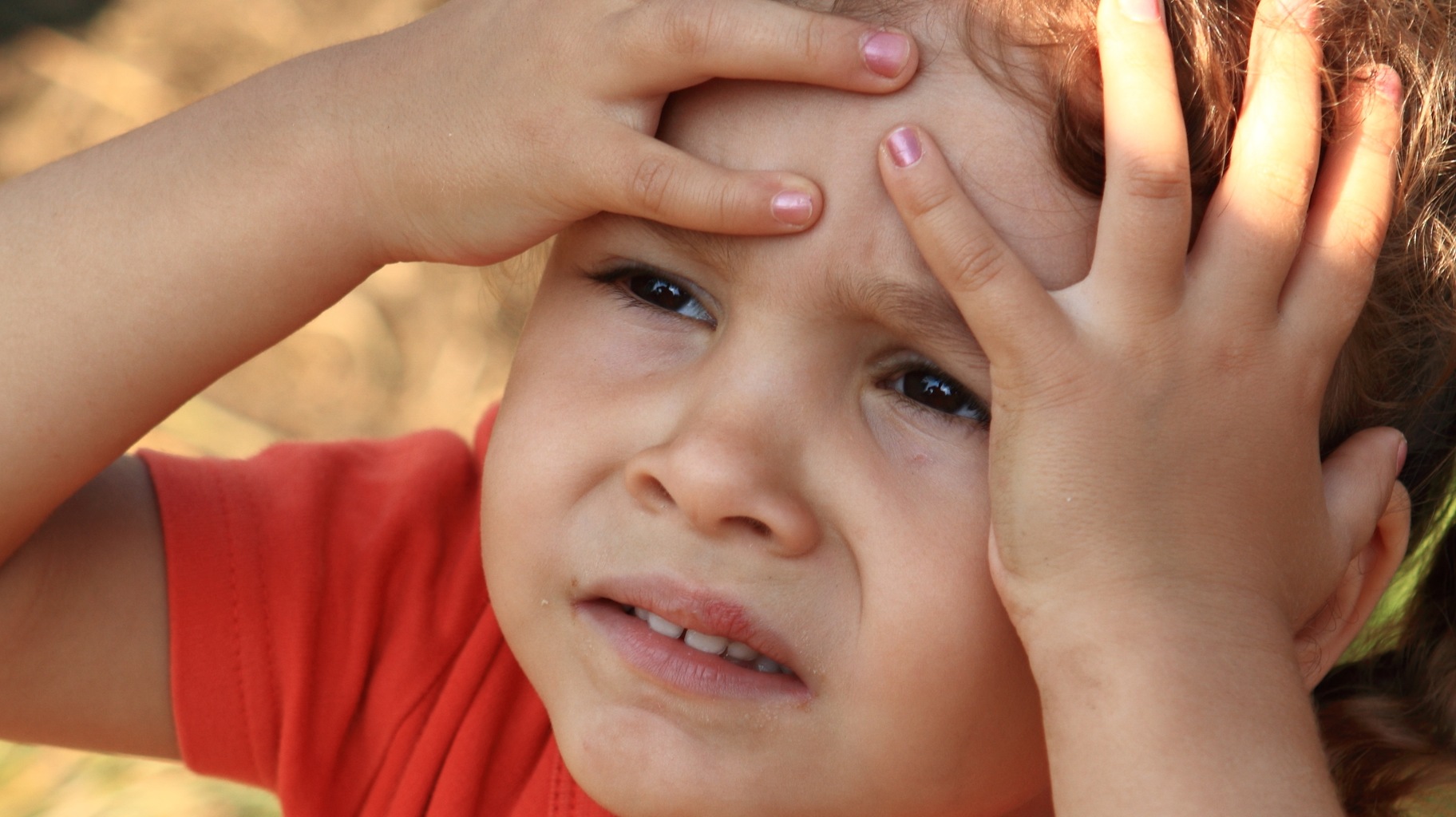
Some parents see an increase in their child’s anxiety during the summer. It can be exhausting for parents to convince their child that everyday tasks are not the enemy.
Studies show that nearly 40% of children and adolescents with autism have clinically elevated levels of anxiety, or at least one anxiety disorder (1). It is no wonder, then, that the dramatic changes in routine, weather, and predictability that come with the summer season increase the stress and anxiety of children on the spectrum. Although current research has not yet determined whether anxiety is a symptom of autism or a comorbid disorder, we do know it increases functional impairment (2).
Although there is no easy season for families of kids with autism, summer can be particularly challenging. The supports and team of professionals typically surrounding the child throughout the school year dwindle over summer break. The parent is forced to become not only the primary caregiver, but also the teacher, therapist, playmate, and more.
Children are very perceptive and they can feel the stress this places on their loved ones. It is important to remember, that even if you feel overwhelmed and frustrated, you must try to remain calm, composed, and organized. This is no easy task. Your Mendability coach is here to help!
#1: Take a step back and observe
Before you can strategize how to combat anxiety it helps to know the triggers. Take time to observe your child carefully. Note if he or she is more anxious at a certain time of day, before or after a certain activity, or when interacting with a specific material, item, or individual. You may not be able to pinpoint the exact fear itself, but discovering the activity is a huge step. In other words, if your child becomes anxious with car rides, you may not know if it is due to a fear of an accident or because he or she strongly dislikes the motion. Either way, knowing that riding in the car is a source of anxiety allows you to take steps to intervene.
It’s a good idea to take notes as a record of your observations. They not only become part of the process of active listening, but they also serve as a method for you to reflect on the small changes that are otherwise lost in your busy life. We recommend that you concentrate on writing down key points rather than attempting to preserve a sequence of events.
#2: Help the brain regulate
We will continue with the car ride example. If car rides are anxiety-inducing, then consider, of course, minimizing trips as much as possible. However, since your child will eventually have to leave the home, utilizing sensory enrichment strategies that are known to increase serotonin and dopamine in the brain (and thus increase self-regulation and pleasant feelings) is a smart way to minimize problems along the way.
Ideas include hanging suction window shades, playing quiet instrumental music, using a scent diffuser, and controlling the air conditioning to allow for a comfortable climate. Be aware too that a trigger could be motion. The movement of the car may be imperceptible to you but it is probably not imperceitble to your child with autism.
#3 Anticipate temperature changes
Another example of a trigger could be the summer heat and the abrupt changes between cool (air conditioning) and hot (outside) (3). Children with autism struggle to regulate their brain serotonin levels, thus repeated requirements on the body to thermoregulate, or adjust to the surrounding temperature, are draining. If your child cannot articulate what is making him or her uncomfortable, you could unknowingly be contributing to increased stress on the body temperature regulation system by subjecting him or her to abrupt temperature changes as you rush in and out for play dates, camps, picnics, etc.
The rule of thumb here is to make changes as gradual as possible. If your house is air conditioned, cool the car for a few minutes before having your child get inside. Drop off your child in front of a destination, if possible. If you must park first, open the windows and allow some of the heat to seep inside to assist with the adjustment.
#4 Common anxiety prevention strategies
Here are some more “best practice” ideas that help many kids combat stress.
– Relax
Downtime is a crucial component of brain growth. It is a time when new information is integrated and consolidated into memories, contributing to personality and functional everyday skills. Keeping this in mind, do not exhaust yourself trying to imitate the school-year schedule by maintaining the same level of intervention and learning time. Rushing from activity to activity can be a source of stress for both you and your child. Relax.
– Visual Schedule
A visual schedule is a way to post what is coming up so your child can mentally process upcoming transitions ahead of time. Make a fun and creative month- or week-long poster and place it in a noticeable location.
– Take a walk
Physical exercise increases endorphins, protects existing neurons, and enhances overall brain plasticity (4). Walking in nature is a naturally enriched experience with undomesticated smells, sights, and sounds.
– Set up an anxiety-free zone
It’s always a good idea to have an area in the home where kids can retreat to and feel safe. Populate your child’s safety zone with art, a variety of textures, pleasant smells, and a stereo with classical music. Play centers around the house and backyard are safe areas where a child can play and discover, unstructured.
In conclusion, remember to take a step back and observe any anxiety-ridden situation for triggers. Enrich the environment with sensory experiences. Reduce stress. Exercise. Explore nature. Breathe.
References
van Steensel, F. J. A., Bogels, S. M., & Perrin, S. (2011). Anxiety disorders in children and adolescents with Autistic spectrum disorders: a meta-analysis. DOI: 10.1007/s10567-011-0097-0
Green, S. A. & Ben-Sasson, A. (2010). Anxiety disorders and sensory over-responsivity in children with Autism spectrum disorders: Is there a causal relationship? DOI: 10.1007/x10803-010-1007-x
Sheard, M. H., Aghajanian, G. K. (1967). Neural Release of Brain Serotonin and Body Temperature. DOI: 10.1038/216495a0
McGovern, M.K. (2005). The effects of exercise on the brain. Retrieved from http://serendip.brynmawr.edu/bb/neuro/neuro05/web2/mmcgovern.html